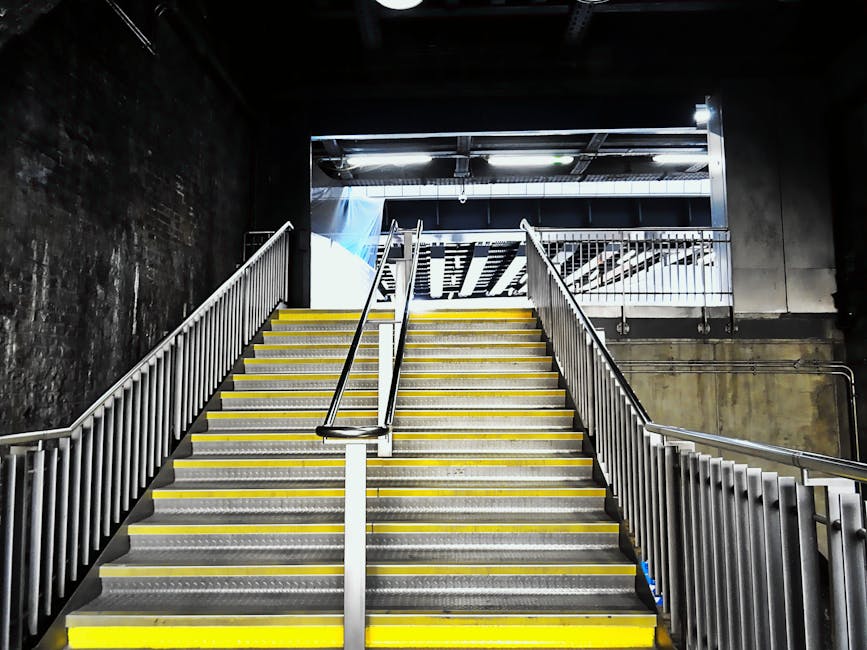
Bulky item removals in Mayfair: stairs, lifts & fees
Moving a sofa out of a third-floor flat in Mayfair sounds simple enough until you're standing in a narrow hallway, eyeing a tight staircase, and wondering whether the lift is actually usable. That's the reality for a lot of bulky item removals in Mayfair: stairs, lifts & fees can change the plan fast. A wardrobe that looked manageable in a brochure can turn into a small logistical puzzle once you're dealing with period buildings, shared entrances, concierge rules, parking pressure, and the lovely little surprise of extra carrying distance.
This guide breaks down how bulky item removals work in Mayfair, what affects the price, and how to avoid awkward delays on the day. You'll also find practical tips for flats, mansion blocks, and busy central London streets, plus a clear checklist you can use before booking. If you want a broader look at local service options, it can help to start with removal services in Mayfair or the more specific furniture removals in Mayfair page. Let's face it, the smoother the access, the less stressful everything feels.
Table of Contents
- Why bulky item removals in Mayfair matter
- How the process works
- Key benefits and practical advantages
- Who this is for and when it makes sense
- Step-by-step guidance
- Expert tips for better results
- Common mistakes to avoid
- Tools, resources and recommendations
- Law, compliance, standards and best practice
- Options, methods and comparison table
- Case study or real-world example
- Practical checklist
- Conclusion
- Frequently asked questions
Why Bulky item removals in Mayfair: stairs, lifts & fees Matters
Mayfair is not a one-size-fits-all removal area. You can have a luxury apartment with a service lift, a period townhouse with stairs that twist at the landing, or a flat where the lift is technically present but not wide enough for the item you need to move. That mix matters because bulky item removals are not just about strength; they're about access, timing, protection, and planning.
Fees often rise when the removal team has to spend more time carrying items, use extra staff, or work around restricted access. A heavy item on the ground floor is one job. The same item from a basement flat with no lift, or an upper-floor apartment with a lift that cannot take the load, becomes a different job entirely. Nothing mysterious there. Just effort, time and risk.
It also matters because bulky items are usually the pieces most likely to get damaged. Think of wardrobes, sofas, dining tables, cabinets, exercise equipment, or a piano. One awkward turn on a staircase can scuff the wall, chip the furniture, or slow the whole day down. A careful, well-briefed team helps reduce those risks, which is why people often choose a specialist rather than trying to wing it with a van and a bit of optimism.
For residents comparing moving support more broadly, the wider man and van in Mayfair and removal companies in Mayfair pages can be useful next stops. Different jobs need different levels of assistance. A quick pickup is one thing; a bulky item extraction from a fourth-floor flat is another story.
How Bulky item removals in Mayfair: stairs, lifts & fees Works
The process usually starts with an access check. In plain English, that means someone needs to know exactly what the item is, where it is located, how it will leave the property, and where the vehicle can stop. A good quote is rarely based on size alone. It's based on size plus access plus handling.
Here's the basic flow:
- Item assessment: The removal provider asks for dimensions, weight, and any tricky parts, such as fixed shelves or fragile glass.
- Access review: They consider stairs, lift dimensions, turning spaces, door widths, and whether the building has concierge or loading restrictions.
- Parking and timing: In central London, especially around tight streets, where the van can stop matters a lot. Shorter carrying distance usually means quicker work.
- Team and equipment: Depending on the item, the team may bring protective blankets, trolleys, straps, sliders, or extra hands.
- Price confirmation: Fees are normally shaped by the time needed, the manpower involved, access complexity, and any disposal or packaging requirements.
- Removal day: The item is protected, moved carefully, and loaded with attention to walls, floors, and shared spaces.
In Mayfair, the lift question is a big one. A lift can make things easier, but only if it is usable for the item. A lift that exists but is too small, too slow, or reserved for residents at certain times may not reduce labour much at all. And if the item still needs stairs at either end, the quote may reflect that. Truth be told, the word "lift" does not always mean "easy job".
One useful local reference point is the Grosvenor Square flats access guide, which highlights the sort of access issues that can affect flats in the area. If you're dealing with a larger move rather than a single item, the flat removals in Mayfair page can also give you a sense of how access affects planning.
Key Benefits and Practical Advantages
There are a few clear reasons people choose professional bulky item removals instead of trying to move everything themselves. Some are obvious; some only become obvious after one attempt to carry a sofa down a stairwell. Funny how that works.
- Less risk of damage: Experienced movers know how to angle large items around awkward corners and protect walls and bannisters.
- Better handling of access issues: A team can plan around stairs, lifts, narrow corridors, and entrances that are shared with neighbours or concierge staff.
- More accurate pricing: When access is assessed properly, the fee reflects the real job rather than a rough guess.
- Faster completion: The right crew, with the right equipment, usually saves a lot of time.
- Lower stress: You don't have to recruit a mate, borrow a trolley, or hope the item will somehow "just fit".
There's also a practical comfort factor. If you're moving out of a high-end flat, a rental apartment, or a home with polished finishes, you want a service that treats the building with care. That matters for neighbour relations too. Nobody wants to be the person rattling a heavy unit down shared stairs at 7:45 in the morning.
And if bulky removals are part of a larger home transition, it may be worth looking at broader support such as house removals in Mayfair or even storage in Mayfair if you need a staging point between properties.
Who This Is For and When It Makes Sense
Bulky item removals are not just for people moving house. They suit anyone dealing with a large, awkward, or heavy item that is difficult to move safely without help.
This service makes sense if you are:
- replacing a sofa, wardrobe, bed frame, or dining table;
- clearing a flat after a tenancy ends;
- moving a heavy item between floors in the same building;
- sending one or two large pieces to storage;
- handling office furniture or equipment;
- dealing with an urgent clearance before decorators, surveyors, or handover day.
It is especially relevant in Mayfair because so many buildings combine elegance with access headaches. A smart hallway does not always mean a practical route. You may have a lift, but the item might still need to pivot around a tight landing or fit through an older doorway. Mayfair has plenty of charm. It also has plenty of awkward geometry.
If the job is time-sensitive, a page like same-day removals in Mayfair may be worth a look. For smaller or lighter jobs, the more flexible man with van in Mayfair option can sometimes be enough. It depends on the item, the access, and how much heavy lifting is actually needed.
Step-by-Step Guidance
Here's a straightforward way to prepare for a bulky item removal in Mayfair without overcomplicating it.
1. Measure everything properly
Measure the item itself, then measure the route. That means doors, hallways, lifts, and stair landings. A sofa can be the right size on paper and still be a nightmare if the route narrows sharply halfway through.
2. Take note of the building access
Does the lift work for removals? Is it bookable? Is there a service entrance? Are there stairs before the lift even starts? These small details affect timing and fees more than people expect.
3. Check parking and stopping space
In central London, the van's stopping point can alter the whole operation. If the driver has to park farther away, the carrying time increases. That can influence the quote and the day's schedule.
4. Clear the route in advance
Move rugs, small furniture, plant pots, boxes, and anything else that could snag feet or wheels. If you can open doors in advance, even better. It sounds basic, but it saves a surprising amount of hassle.
5. Protect delicate surfaces
Floorboards, marble thresholds, painted walls, and bannisters all benefit from protection. Experienced teams usually bring coverings, but it helps to flag fragile surfaces beforehand.
6. Confirm the fee structure
Ask what the quote covers. Is it based on one item only? Does it include stairs? Does lift access reduce the labour charge? Are disposal or waiting time extra? A clear conversation upfront prevents that awkward moment where the price suddenly seems to have grown legs.
7. Be ready on the day
Have keys, lift bookings, concierge notices, and access codes sorted. If there is a narrow time window for loading, keep the route clear and the item ready to go. A small delay at the start can become a bigger delay later.
Expert Tips for Better Results
After enough jobs like this, a few patterns become obvious. The good outcomes usually come from better briefing, not luck.
- Send photos before booking: A photo of the item and the stairs or lift area is often more useful than a long explanation.
- Be honest about weight and awkwardness: If a wardrobe is solid oak, say so. If a piano is top-heavy, say that too. Hidden complexity only causes stress later.
- Ask about extra carry distance: If the van cannot park close by, the price may reflect the extra time and labour.
- Keep neighbours in mind: Quiet timing and courteous handling go a long way in shared buildings.
- Think about disposal early: If the item is not going to a new address, ask whether recycling or responsible disposal can be arranged. The recycling and sustainability page is a useful reference for this kind of planning.
A small but important tip: if the item is truly awkward, don't dismantle it half-heartedly the night before. Either do it properly or leave it intact and tell the movers. Half-stripped furniture can be worse than the original piece. A bit funny, yes, but also painfully true.
For especially delicate or specialist pieces, like uprights or grander furniture, there are dedicated services such as piano removals in Mayfair. That's not just marketing fluff; it reflects a very different handling approach.
Common Mistakes to Avoid
Most problems with bulky item removals are avoidable. The tricky part is that people often only realise this after the booking is underway.
- Guessing the dimensions: Rough estimates can lead to the wrong vehicle, too few movers, or a failed lift plan.
- Ignoring stair width: A staircase may look fine until the item actually reaches the corner.
- Forgetting building rules: Some blocks have time restrictions, booking rules, or designated entrances.
- Assuming lift access means no stairs: That is not always the case. Sometimes a lift still leaves you with steps, ramps, or tight final exits.
- Leaving parking to chance: In Mayfair, that can turn a neat plan into a messy one very quickly.
- Not asking what the fee includes: If the quote is unclear, you may pay more for stairs, waiting, or an unexpected carry distance.
Another common issue is trying to move a large item without enough protection. A damaged door frame, scratched lift interior, or chipped skirting board can become a costly nuisance. Better to spend a little time on preparation than a long time apologising. Nobody enjoys that conversation.
Tools, Resources and Recommendations
You do not need a warehouse of equipment for a single bulky move, but a few simple tools help a lot. In practice, the right kit can make the difference between a straightforward job and a stressful one.
| Tool or resource | What it helps with | Best use in Mayfair |
|---|---|---|
| Furniture blankets | Protecting surfaces from scuffs and knocks | Stairs, tight hallways, lift interiors |
| Straps and lifting aids | Improving control for heavy items | Wardrobes, dressers, white goods |
| Floor protection | Reducing damage to finishes | Period buildings, polished floors, entrances |
| Photo briefing | Showing access and item size clearly | Best before booking, especially for flats |
| Service pages and quote form | Matching the right help to the job | Useful when comparing services and pricing |
On the website, the most useful supporting pages tend to be pricing and quotes in Mayfair, services overview, and insurance and safety. Those pages help you sanity-check what's included and what kind of protection is offered.
If you need to align the job with property changes or a bigger move, the local context pages can also help. For example, buying a house in Mayfair and your guide to property investing are useful if you're managing removals around a purchase, refinance, or refurbishment.
Law, Compliance, Standards and Best Practice
Bulky item removals in Mayfair are not usually about complex legal issues, but there are still sensible standards to follow. The main concerns are safe handling, property care, building access, and responsible disposal.
Good practice generally includes:
- lifting and moving items safely, with enough people for the weight and shape involved;
- respecting shared building rules, lift bookings, and concierge instructions;
- protecting floors, walls, and entrances;
- being clear about what is included in the price;
- handling disposal or recycling in a responsible way where relevant;
- checking terms, insurance, and any safety information before booking.
If your removal provider has published policy pages, that can be reassuring. The site's health and safety policy, terms and conditions, privacy policy, and about us pages all help build a fuller picture of how the service is run. In practice, this is less about formality and more about trust.
There is also a practical resident-side compliance angle. If you live in a block with access rules, you may need to notify management or concierge in advance. In places like Berkeley Square, parking and access can be a real planning point, which is why the Berkeley Square parking permits guide is relevant reading for many moves. Not glamorous, perhaps, but very useful.
Options, Methods, or Comparison Table
Not every bulky item job needs the same approach. The best method depends on access, weight, speed, and budget.
| Method | Best for | Pros | Watch-outs |
|---|---|---|---|
| Single-item man and van | One or two large items with straightforward access | Flexible, usually efficient, often cost-conscious | May not suit very heavy or complex stair jobs |
| Dedicated furniture removal | Bulky furniture, awkward pieces, fragile finishes | More careful handling, better protection, more planning | May cost more if the access is difficult |
| Full flat or house removal | Multiple rooms or a full move | Efficient for larger volumes, easier bundling of tasks | Can be unnecessary for one item only |
| Same-day booking | Urgent clearances or last-minute changes | Quick response, less waiting around | Availability may be tighter, details must be clear |
As a rule, if you're unsure whether the item can be moved by a standard vehicle and a small team, it's better to ask for a more detailed assessment. That can prevent a false economy. The cheapest quote is not always the cheapest outcome, if you see what I mean.
Case Study or Real-World Example
Here's a realistic Mayfair scenario. A resident in a second-floor flat wants to remove a large sofa and a wide sideboard before a refurbishment. The building has a lift, but it is narrow, and the sofa has fixed arms. The sideboard is heavy and has fragile handles. The van cannot stop directly outside, so the carrying distance is moderate rather than short.
What happens next? A quick quote based only on "two items" would probably understate the work. A better assessment would look at the staircase width, whether the sofa can be tilted safely, whether the lift is usable, and whether extra padding is needed. The provider may decide that two movers are enough for one item but not both, or that the job needs a slightly longer time window because of access.
The real win in that kind of job is not just moving the furniture. It is moving it without damage, without holding up the building, and without the customer feeling like the final price came out of nowhere. That's the bit people remember.
In a similar flat move, someone might combine the bulky item removal with support from packing and boxes in Mayfair or a broader removals service in Mayfair if they are clearing more than one room. Small details. Big difference.
Practical Checklist
Use this checklist before booking a bulky item removal in Mayfair. It keeps the job tidy and the quote more accurate.
- Measure the item's height, width, depth, and approximate weight.
- Measure doors, lifts, corridors, stair landings, and any final exits.
- Take photos of the route and any tight corners.
- Check whether the lift is working, bookable, and large enough.
- Confirm where the van can stop and how far the carry will be.
- Ask whether stairs, waiting time, or extra labour affect the fee.
- Decide if the item is going to storage, a new address, recycling, or disposal.
- Clear the route of loose items, rugs, and obstacles.
- Protect delicate surfaces where possible.
- Keep keys, access codes, and building contact details ready.
- Ask about insurance, safety, and any special handling needs.
Expert summary: the best bulky item removals in Mayfair are rarely the ones with the strongest team alone. They're the ones with the best access planning. Stairs, lifts and fees all connect to the same thing: how much time and handling the job really needs.
Conclusion
Bulky item removals in Mayfair: stairs, lifts & fees is really about matching the removal method to the building and the item, not just booking a van and hoping for the best. When you understand the access route, the lift situation, the likely carrying distance, and what the fee includes, the whole process becomes much easier to manage.
That's especially true in Mayfair, where elegant buildings often come with awkward stairs, compact lifts, and narrow loading windows. A little preparation goes a long way. Measure properly, share clear photos, ask direct questions, and make sure the price reflects the actual job. Simple enough, but it saves a lot of grief.
If you're ready to plan the job properly, start with the right service information, confirm the access details, and speak to a team that understands central London buildings. Calm planning beats last-minute scrambling every time.
Get a free quote today and see how much you can save.
Frequently Asked Questions
How are fees worked out for bulky item removals in Mayfair?
Fees are usually based on the item size, weight, access conditions, stair use, lift availability, carrying distance, and the time needed on site. If the item is awkward or the building is hard to access, the quote may be higher because the job takes more care and labour.
Do lifts always reduce the cost?
Not always. A lift helps only if it is large enough, available, and practical for the item. If the lift is too small, too slow, or still leaves a long carry at either end, the effect on price may be limited.
What if my item has to go down stairs?
That is common in Mayfair flats and period buildings. Stairs usually increase handling time and may require extra staff or protective equipment. A good quote should take the stair route into account from the start.
Can you move one bulky item without booking a full removal?
Yes. Many people book a man and van or a specialist furniture removal service for one or two large items. That can be a practical choice if you do not need a whole-house move.
How far in advance should I book?
If the job is straightforward, a little notice is often enough. If the building has access restrictions, concierge rules, or tricky parking, booking earlier gives you more time to sort out details. Same-day support may be possible in some cases.
What details should I share before getting a quote?
Share the item dimensions, photos, floor level, lift size, stair layout, building rules, parking situation, and whether the item is going to storage, disposal, or another address. The clearer the picture, the better the estimate.
Are there extra charges for awkward access?
There can be. Extra labour, long carries, waiting time, or complicated stair work may affect the price. That is why it helps to ask exactly what is included rather than assuming everything is covered.
Is it safer to dismantle large furniture before removal?
Sometimes, yes, but only if it can be dismantled properly and safely. Poorly dismantled furniture can become harder to move, not easier. If you're unsure, tell the movers what can and cannot be taken apart.
What if I need the item disposed of rather than moved?
Ask whether the service includes disposal or recycling. Responsible removal is often possible, but you should confirm this in advance so the item goes to the right place.
How do I know if my lift is suitable?
Measure the lift opening and interior space, then compare it with the item dimensions. If you're unsure, send photos. Even a large-looking lift can be awkward once you account for doors, mirrors, or the angle of entry.
Can parking problems affect the fee?
Yes. If the van cannot stop nearby, the crew may need to carry the item further, which adds time and effort. In central London, parking and stopping space are often part of the real cost of the job.
What's the best way to avoid damage during removal?
Use proper protection for walls and floors, clear the route, and hire a team that understands difficult access. Good communication before the job usually prevents most damage issues. It's a small bit of admin that pays off.
Area: Mayfair